
A well-painted exterior makes your home look cared for and helps protect the surfaces beneath it. But how do you know when it’s time to repaint—and when a thorough clean might be enough?
Peeling paint, exposed timber and deteriorating coatings deserve attention. Faded colour or surface grime may require a different approach. Understanding the difference helps you plan the right work for your property.
Peeling, cracking or flaking paint
Paint that lifts or flakes away is a clear sign that the coating is failing in those areas. As it breaks down, the underlying surface becomes exposed to the weather.
Painting over loose material won’t create a reliable finish. The affected areas need to be assessed and prepared, with necessary repairs completed before new paint is applied.
If peeling appears across several parts of your home, a professional assessment can establish whether localised preparation or more extensive paint removal is needed.
Faded or uneven colour
Sunlight and weather gradually affect the appearance of exterior paint. Exposed walls may fade differently from sheltered areas, leaving your home looking uneven.
Fading alone doesn’t necessarily mean the coating has failed. However, it’s a useful reminder to check for other signs of wear, such as cracking, bare patches or loose paint.
Where the coating remains sound, repainting may primarily be an opportunity to refresh your home’s appearance.
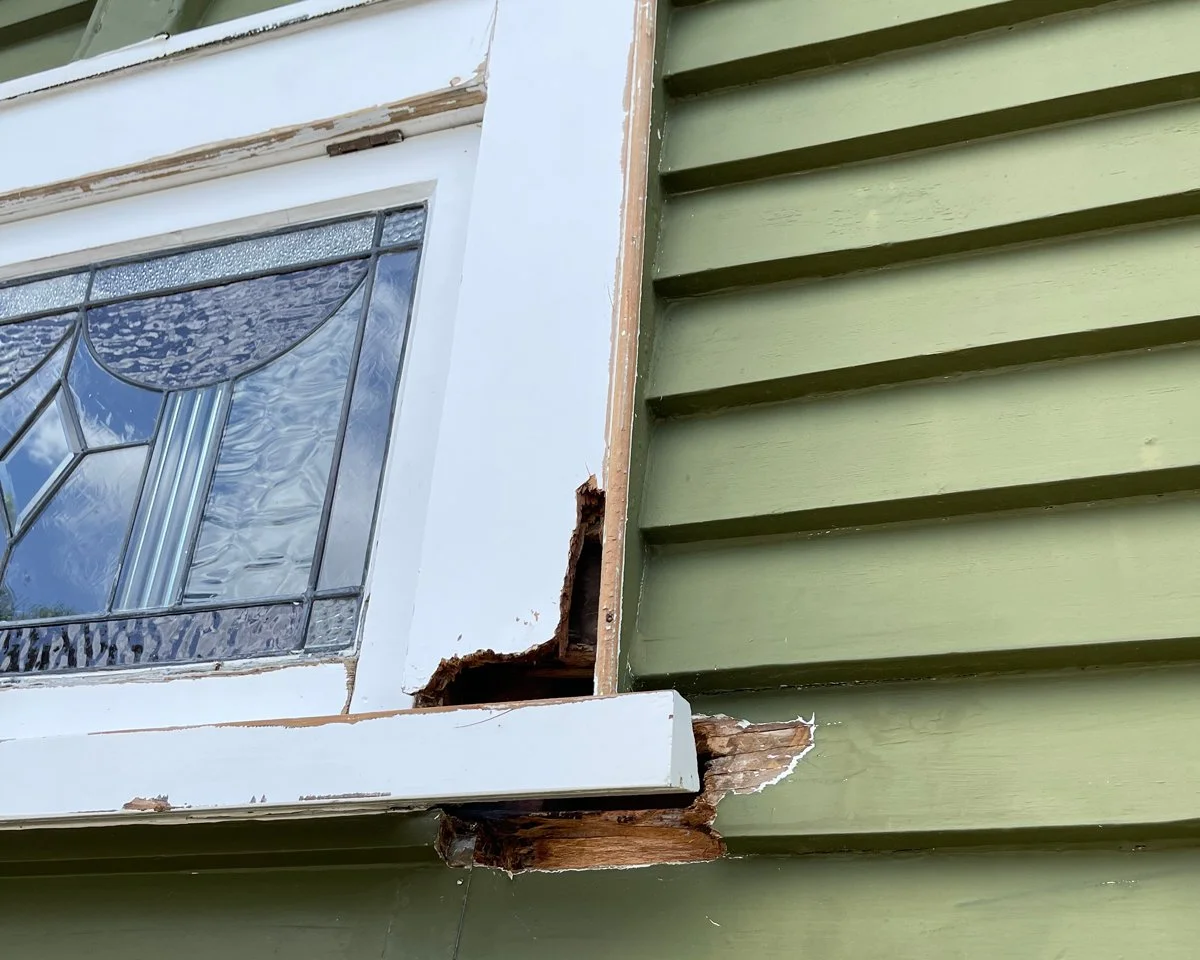
Exposed or damaged timber
Look closely at weatherboards, window frames, doors and trims. Bare areas, splitting timber and visible deterioration should be assessed before painting begins.
A fresh coat cannot repair damaged timber or resolve an underlying moisture problem. Identifying these issues early allows repairs to be included in the project plan.
For villas and character homes, original timber and decorative features often require particular care during assessment and preparation.
Dirt, mould and algae
A tired-looking exterior doesn’t always need repainting. Dirt and organic growth can hide a coating that is still in reasonable condition.
Professional house washing may be the right first step. Once the surface is clean, it becomes easier to see whether the paint remains intact or needs attention.
Washing can refresh sound paintwork, but it cannot restore a coating that is already peeling or deteriorating.
How often should you repaint?
There is no single repainting schedule that suits every Auckland home. The exterior material, previous preparation, coating system and exposure all influence how the finish wears.
Rather than relying on age alone, check your property regularly. Pay attention to exposed walls, window trims and areas where wear appears first.
Maintaining small areas as needed may help you avoid allowing deterioration to spread unnoticed.
Preparation makes the difference
A quality repaint starts with a sound foundation. Depending on the property, preparation may include cleaning, removing loose paint, sanding, filling minor imperfections and coordinating repairs.
Some homes need targeted preparation. Others require more extensive work before painting can begin. Understanding this from the outset helps establish a realistic scope, schedule and quotation.
Plan your next step with Smart Property
Whether your home needs washing, maintenance or a complete repaint, the right approach starts with its condition.
Smart Property provides exterior house painting in Auckland, combining thorough preparation, careful workmanship and clear project management.

Contact Smart Property to discuss your home and request an exterior painting quotation.
